
Łukasz Gmys | Growth Strategy & Execution | 2025 NATO Innovation Challenge Finalist
Strategic growth executive with 20+ years leading complex initiatives across tech, AI, and defense. As Chief Growth Officer for a NATO IT Prime Partner, I built pan-European stakeholder networks. I specialize in market entry, defense innovation, and cross-border partnerships that accelerate operational impact. Known for building sales and marketing operations into unified growth engines. Passionate sport shooter committed to bridging digital and technology transformation with national security.

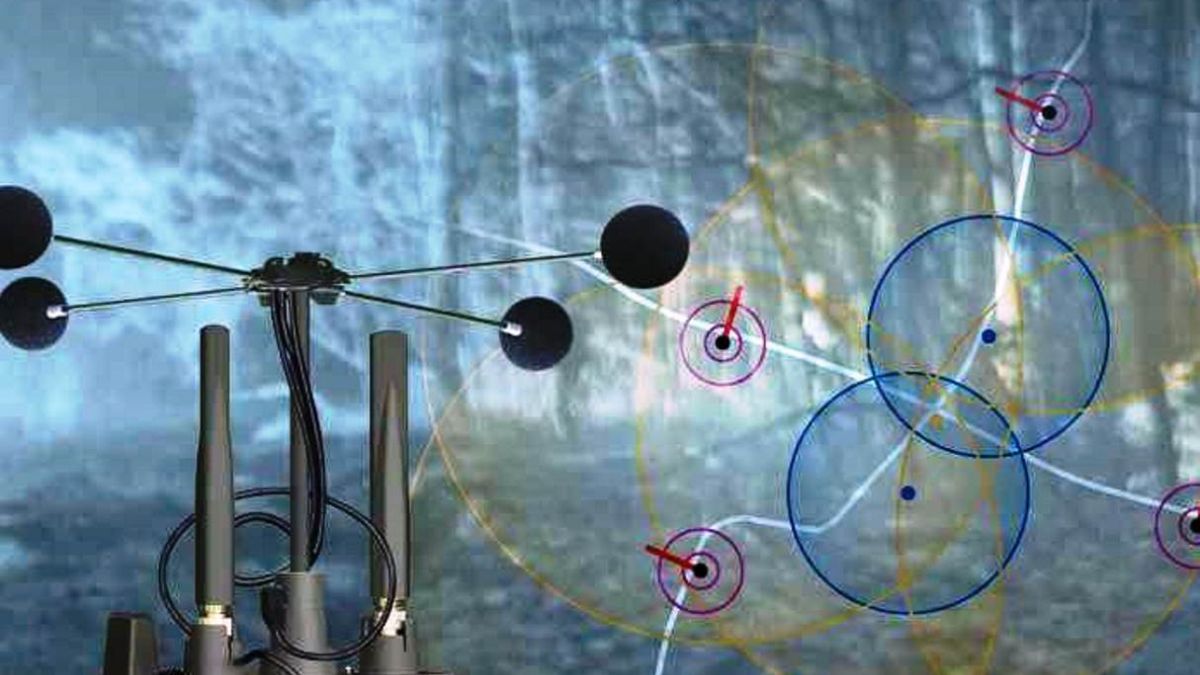
Ukraine's "Sky Fortress"
A Deep Dive into Acoustic Air Defense Innovation
Core Innovation
Distributed acoustic sensors transform smartphones into a nationwide detection network, creating an acoustic shield against low-flying threats.
Proven Effectiveness
Over 95% success rate in intercepting Russian drones, with 14,000+ sensors deployed across Ukraine.
Executive Summary
The Ukrainian "Sky Fortress" system represents a paradigm shift in air defense technology, leveraging a distributed network of passive acoustic sensors to detect and track incoming aerial threats. Developed under the urgent pressures of war, this innovative system transforms the distinct acoustic signatures of drones and missiles into a strategic advantage, creating a nationwide "acoustic shield" that complements traditional radar-based defenses.
Key Highlights
- 14,000+ sensors deployed across Ukraine, creating comprehensive coverage
- 95%+ success rate in intercepting Russian drones during large-scale attacks
- $400-$1,000 per unit cost makes it highly cost-effective compared to traditional systems
- 1.6% false alarm rate with minimal degradation against countermeasures
- NATO funding for additional 15,000 third-generation sensors
The system's architecture utilizes thousands of microphones—initially integrated with smartphones and later transitioning to custom hardware—to triangulate threats via mobile networks. This data is fused with radar information in central command systems, providing real-time targeting to mobile fire teams equipped with tablets and anti-aircraft guns. The result is a rapid, cost-effective response to low-altitude threats that often evade traditional detection methods.
Core Technology and Detection Mechanism
Acoustic Sensor Network
Sensor Composition and Design
The Sky Fortress system originated from remarkable simplicity: two Ukrainian engineers created a prototype using a standard microphone and cell phone mounted on a six-foot pole [333]. This rudimentary setup was specifically designed to detect the distinct moped-like engine noise of Shahed drones [324].
The system has evolved through three generations, transitioning from consumer smartphones to specialized hardware with dedicated CPUs and sound cards, while maintaining an impressive cost of only $400-$1,000 per unit [325].
System Evolution
Deployment Strategy
Approximately 14,000 acoustic sensors have been deployed throughout Ukraine, forming a comprehensive detection grid [337]. Sensors are typically mounted on poles at a height of around two meters to ensure unobstructed acoustic fields of view [331].
Sound Signature Analysis
The system employs machine learning algorithms trained on vast datasets of acoustic signatures, including Russian weaponry and ambient noise. This achieves remarkable accuracy with a 1.6% false alarm rate and only 3% accuracy decline when facing countermeasures [336].
Telecommunication Infrastructure Integration
Smartphone Integration
In its initial phases, the system innovatively used smartphones as dual-purpose sensor nodes, serving as both microphones and processing units [337]. This pragmatic approach enabled rapid deployment at a cost of only $400-$500 per unit.
Mobile Network Transmission
Data transmission leverages existing mobile networks, enabling rapid and reliable communication from thousands of distributed sensors. This approach avoids the need for dedicated military communication infrastructure.
System Architecture Flow
Integration with Broader Defense Systems
Data Fusion with Radar Systems
Enhanced Tracking
Combines acoustic and radar data to overcome individual system limitations and create comprehensive airspace pictures.
Blind Zone Coverage
Detects low-flying threats hidden from radar by terrain or Earth's curvature.
EW Protection
Passive system immune to electronic warfare attacks that target active radar emissions.
Synergistic Detection Capabilities
The Sky Fortress system fuses acoustic data from its distributed sensor network with traditional radar data, providing a more complete and accurate picture of the airspace [337]. This integration allows for the tracking of targets that may be difficult to detect with a single sensor type.
The passive nature of the acoustic system provides significant advantages in electronic warfare environments, as it does not emit detectable signals that could be targeted by anti-radiation missiles or jamming systems.
Real-Time Data Provision to Mobile Fire Teams
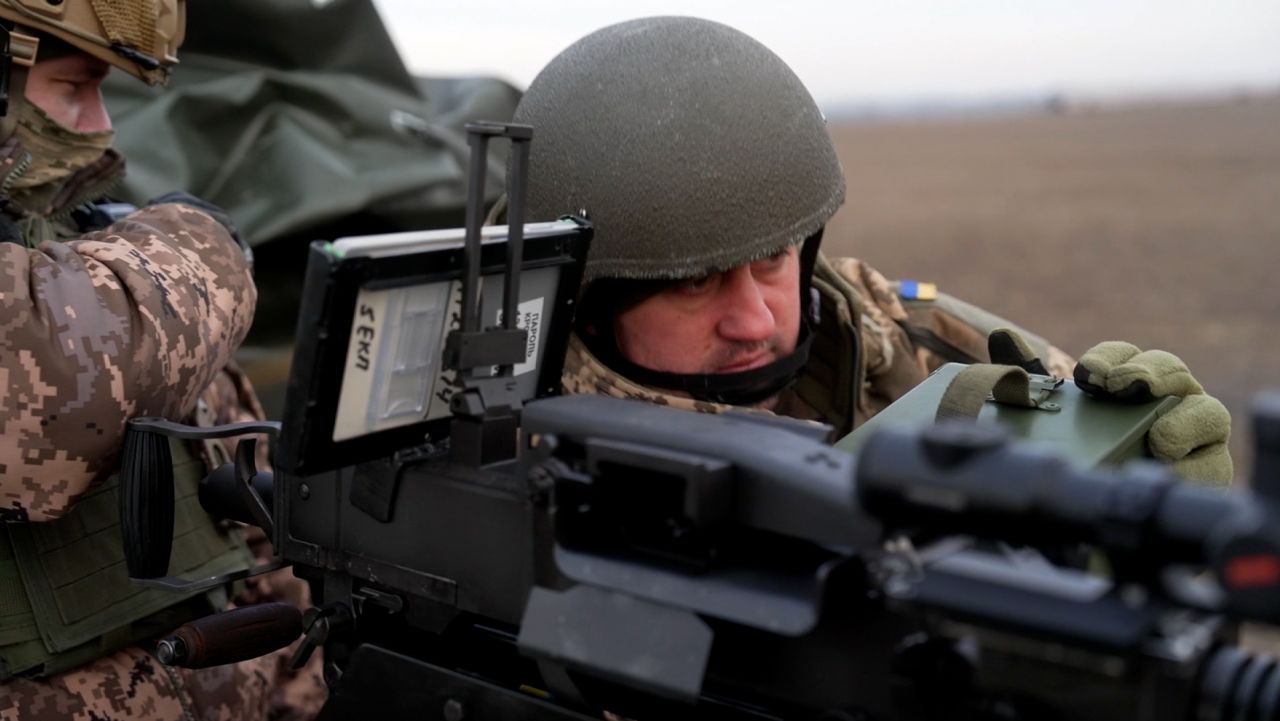
Tablet-Based Targeting
Mobile fire teams receive real-time targeting data via tablets, such as iPads, displaying maps with threat locations and flight paths [326]. This enables rapid engagement with anti-aircraft guns or heavy machine guns mounted on pickup trucks.
National Command and Control Integration
"Virazh" System Integration
Sky Fortress feeds data into the "Virazh" national air defense command and control network, which combines information from approximately 40 different sensor types [198]. This creates a unified operational picture of the airspace.
Layered Defense Architecture
The system complements high-end systems like Patriot and SAMP/T, medium-range systems like NASAMS and IRIS-T, and short-range mobile fire teams.
Civilian Integration
Works alongside civilian reporting apps like ePPO, creating a comprehensive detection network that combines automated and human intelligence.
Development, Deployment, and Impact
Origins and Evolution
Grassroots Innovation
The system was born from garage-based engineering by two Ukrainian innovators who created the initial prototype using off-the-shelf components [333].
This collaborative effort was supported by the Brave1 defense innovation cluster, which brings together developers, manufacturers, and investors [337].

Iterative Development
The transition from smartphone-based sensors to custom hardware demonstrates a commitment to continuous improvement and adaptation to battlefield conditions.
Scale and Cost-Effectiveness
Cost Comparison Analysis
| Feature | Sky Fortress System | Patriot Missile System |
|---|---|---|
| Primary Threat | Low-altitude, low-cost drones | High-altitude aircraft & ballistic missiles |
| Detection Method | Passive acoustic sensors | Active radar |
| Cost per Unit | $400 - $1,000 | $3 - $4 million (per missile) |
| Vulnerability to EW | Low (passive system) | High (active radar) |
Operational Effectiveness and International Interest
Proven Combat Performance
The system has demonstrated exceptional effectiveness, achieving over 95% success rate in intercepting Russian drones during large-scale attacks [326].
This performance has significantly influenced military doctrine, demonstrating the value of layered, distributed air defense approaches and rapid innovation cycles.
Global Recognition
NATO has recognized the system's value, committing funding for an additional 15,000 third-generation sensors [354].
The system's success has attracted considerable interest from allied nations seeking innovative solutions to the growing drone threat.